Can Your Employer Deny You a Day Off for Religious Observance in New York?
Can Your Employer Deny You a Day Off for Religious Observance in New York?
Religious freedom is a fundamental right, and that extends into the workplace. Employees in New York may wonder whether their employer can deny a request for time off to observe religious holidays or practices. Understanding your rights under both federal and New York law is essential to protecting yourself if issues arise.
At LAWYERFORWORKERS, we assist employees throughout New York City in addressing workplace concerns, including religious accommodation disputes.
Understanding Religious Accommodation in the Workplace
Employers are generally required to provide reasonable accommodations for an employee’s sincerely held religious beliefs or practices. This obligation comes from both federal law—primarily Title VII of the Civil Rights Act of 1964—and New York State and City laws, which often provide even stronger protections.
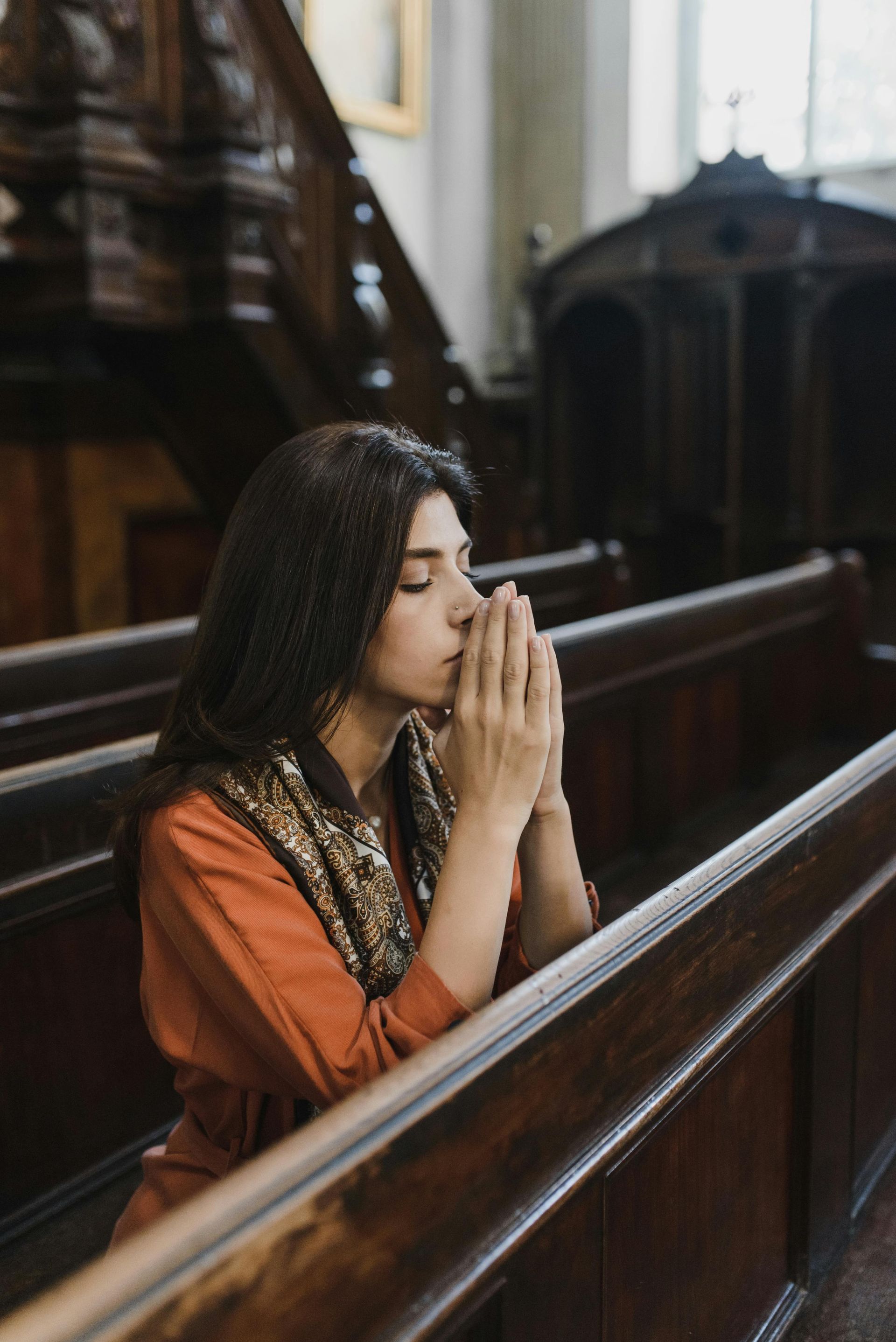
Religious observance may include attending services, refraining from work on certain days, or observing specific rituals. If an employee’s religious practice conflicts with a work schedule, the employer must make a good-faith effort to accommodate that need.
What Counts as a Reasonable Accommodation?
A reasonable accommodation is a change to the work environment or schedule that allows an employee to practice their religion without undue hardship to the employer. Common examples include:
- Adjusting work schedules
- Allowing shift swaps with coworkers
- Granting unpaid leave for religious holidays
- Modifying workplace policies or dress codes
The key is that the accommodation must be practical and not significantly disrupt business operations.
When Can an Employer Deny the Request?
Employers are not automatically required to grant every request for time off. They can deny a request if they can demonstrate that providing the accommodation would cause an “undue hardship.”
Under federal law, undue hardship generally means more than minimal cost or burden on the business. However, New York law sets a higher standard, often requiring employers to show significant difficulty or expense before denying an accommodation.
Examples of potential undue hardship may include:
- Severe staffing shortages that impact operations
- Safety concerns
- Significant financial costs
Employers must evaluate each request individually and cannot rely on assumptions or stereotypes about religion.
New York Provides Stronger Employee Protections
New York State Human Rights Law and New York City Human Rights Law offer broader protections than federal law. In many cases, employers in New York City must meet a higher burden to justify denying a religious accommodation.
This means employees in New York may have stronger legal grounds to challenge a denial compared to workers in other states.
What Should You Do If Your Request Is Denied?
If your employer denies your request for time off for religious observance, consider taking the following steps:
- Document your request and the employer’s response
- Ask for a written explanation of the denial
- Propose alternative accommodations
- Review your employer’s policies
If the issue is not resolved, you may have the right to file a complaint with a government agency or pursue legal action.
Why Legal Guidance Matters
Religious accommodation cases can be complex, especially when employers claim undue hardship. An experienced employment law attorney can evaluate your situation, explain your rights, and help you take appropriate action.
At LAWYERFORWORKERS, we are committed to helping employees in New York City understand and assert their workplace rights.